Cost of Study in Germany: Complete Guide for International Students
Germany has become one of the most popular study destinations for international students, especially for Indian students looking for high-quality education at affordable costs. With globally recognized universities, strong career opportunities, and low tuition fees at public universities, Germany offers excellent value for students planning to study abroad.

Team Vidysea
June 5, 2026

However, understanding the cost of study in Germany is extremely important before starting your application process. Many students assume Germany is completely free, but there are several expenses involved beyond tuition fees, including accommodation, food, transportation, insurance, visa costs, and daily living expenses.
In this detailed guide, we’ll break down every important aspect of the cost of study in Germany, including tuition fees, city-wise living expenses, scholarships, budgeting tips, and how students can manage their finances effectively while studying in Germany — with expert support from Vidysea.
Overview of the Cost of Study in Germany
The total cost of study in Germany includes several major expenses:
- Tuition fees
- Semester contribution fees
- Accommodation costs
- Food and groceries
- Transportation
- Health insurance
- Visa and travel costs
- Books and study materials
- Miscellaneous personal expenses
The good news is that compared to countries like the USA, UK, and Australia, the overall cost of study in Germany is significantly lower.
On average, international students may spend around €10,000 – €18,000 per year depending on the city, university, and lifestyle.
Tuition Fees in Germany
One of the biggest advantages of studying in Germany is affordable tuition.
Public Universities in Germany
Most public universities in Germany charge:
- No tuition fees or very low tuition fees for international students
- Students only need to pay semester contribution fees
Average Semester Contribution:
- €150 – €350 per semester
This fee usually includes:
- Administrative charges
- Student services
- Public transportation pass
This makes Germany one of the most affordable destinations for higher education.
Tuition Fees at Private Universities
Private universities in Germany charge higher tuition fees.
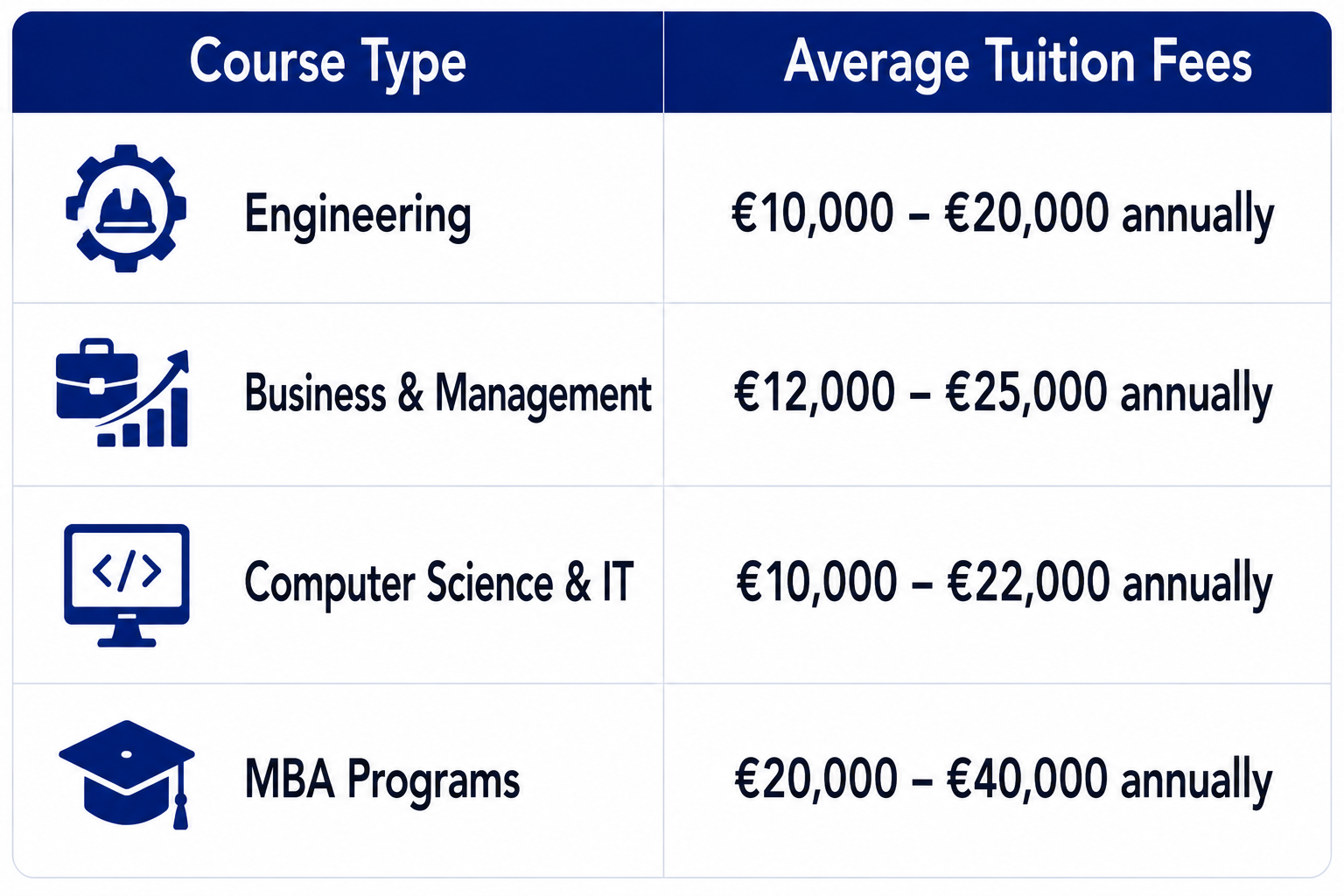
Students should compare universities carefully before making a decision.
Cost of Undergraduate Programs in Germany
Undergraduate courses at public universities are generally affordable.
Average Expenses for Undergraduate Students
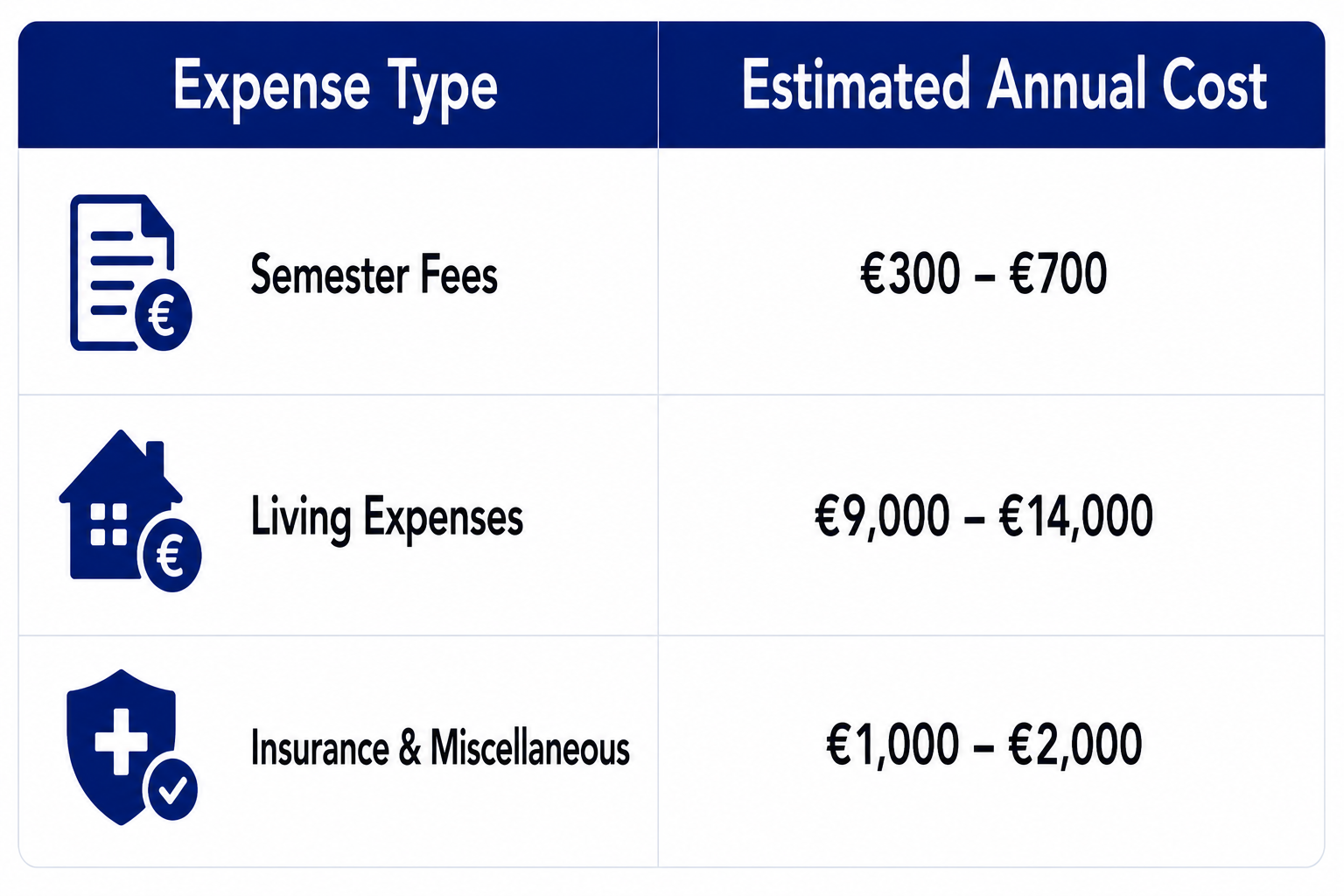
The total cost of study in Germany for undergraduate students is still lower than many other study destinations.
Cost of Postgraduate Programs in Germany
Master’s and MS programs are highly popular among international students.
Average Tuition Fees for Master’s Programs
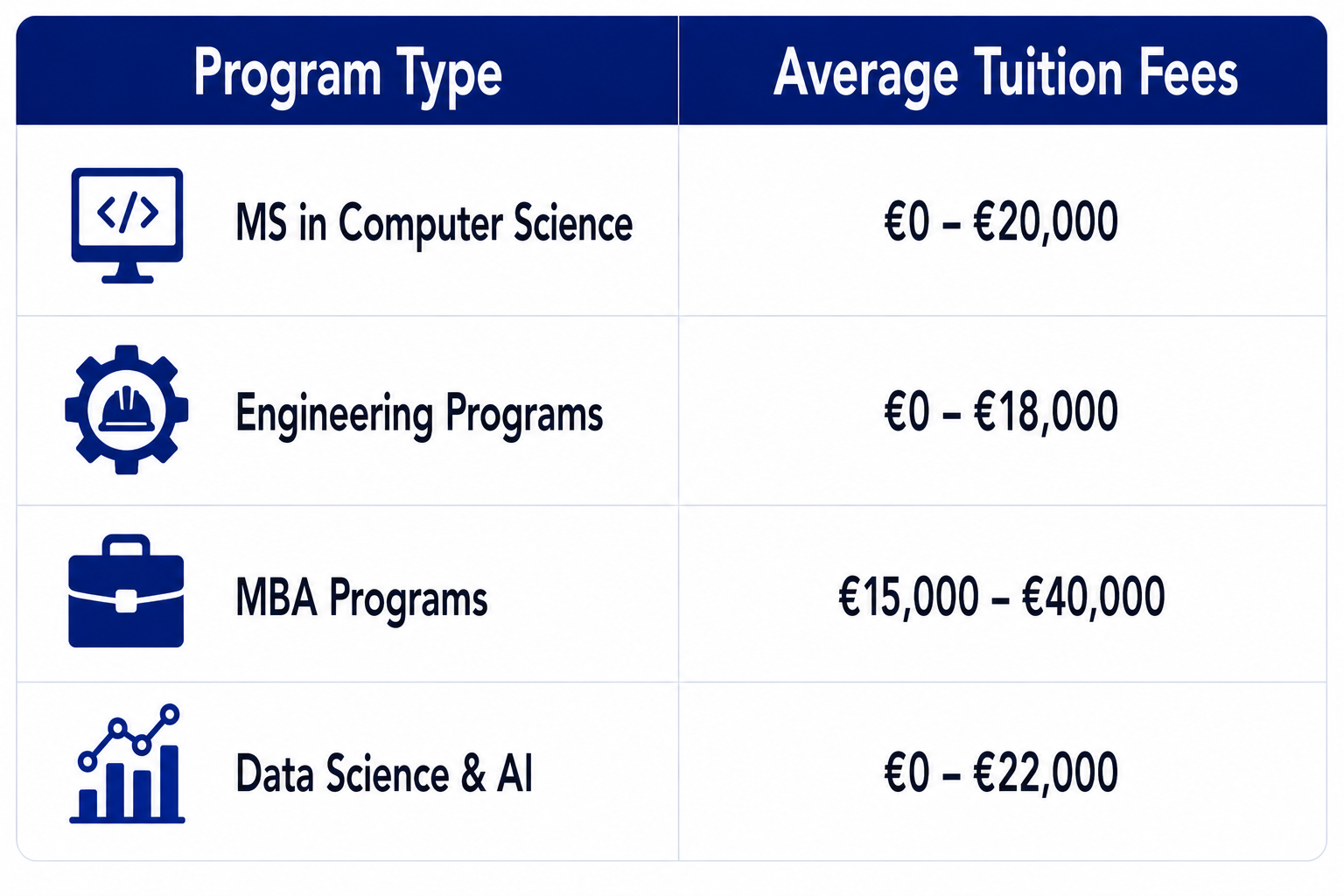
Public universities usually offer low-cost or tuition-free programs even for postgraduate students.
Living Expenses in Germany
Living expenses form a major part of the cost of study in Germany.
Accommodation Costs
Accommodation costs vary depending on the city and housing type.
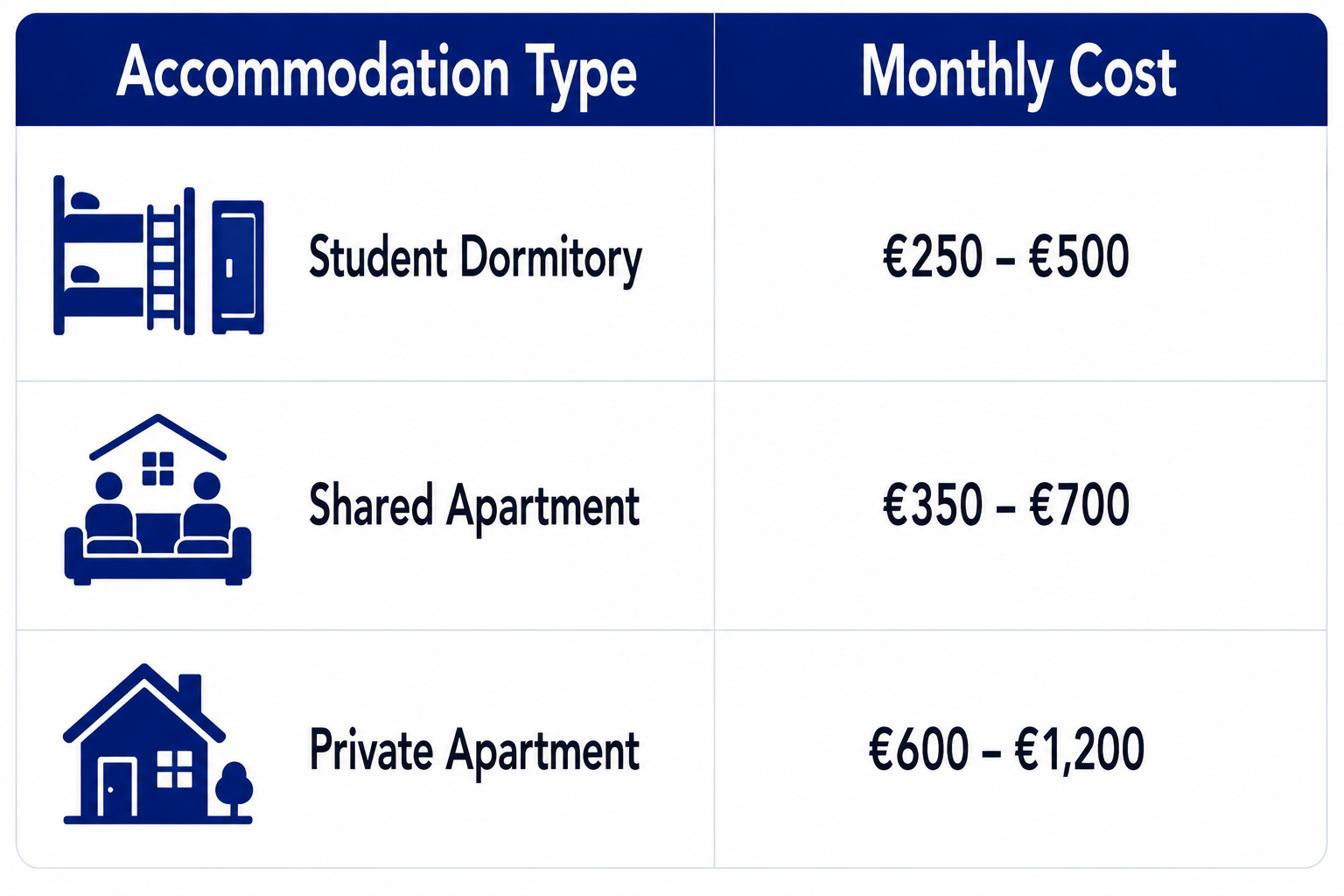
Cities like Munich and Frankfurt are generally more expensive than smaller cities.
Food and Grocery Expenses
Students usually spend:
- €150 – €300 per month on groceries
- €50 – €150 on dining and takeaway meals
Cooking at home can significantly reduce the overall cost of study in Germany.
Transportation Costs
Germany has an excellent public transport system.
Average Transportation Costs
- €30 – €100 per month
- Many universities include transport passes in semester fees
Students can travel affordably using student discount cards and regional transportation passes.
Health Insurance Costs
Health insurance is mandatory for international students in Germany.
Average Health Insurance Cost
- €110 – €130 per month
Students under 30 usually qualify for lower-cost public insurance plans.
Visa and Travel Expenses
Students should also budget for:
- Student visa fees
- Flight tickets
- Residence permit charges
- Blocked account setup
Average Visa and Travel Costs
- €1,000 – €2,500 approximately
City-Wise Cost of Living in Germany
Different German cities have different living costs.
City & Average Monthly Living Cost
Munich : €1,200 – €1,800
Berlin : €900 – €1,500
Frankfurt : €1,000 – €1,600
Hamburg : €900 – €1,400
Leipzig : €700 – €1,100
Aachen : €750 – €1,200
Students can reduce the cost of study in Germany by choosing affordable cities.
Top Universities in Germany
Germany has several globally recognized universities offering excellent education.
Popular Universities Include
Technical University of Munich
Known for Engineering, Computer Science, and Artificial Intelligence programs.
RWTH Aachen University
Highly regarded for technical and engineering education.
Karlsruhe Institute of Technology
Famous for research and innovation in Computer Science and IT.
Technical University of Berlin
Offers strong technology and software engineering programs.
Ludwig Maximilian University of Munich
Known for research-focused education and interdisciplinary learning.
Scholarships to Reduce the Cost of Study in Germany
Germany offers several scholarship opportunities for international students.
Popular Scholarships Include:
- DAAD Scholarships
- Erasmus+ Programs
- University Merit Scholarships
- Research Grants and Assistantships
Scholarships can significantly reduce living and educational expenses.
Part-Time Work Opportunities
International students in Germany can work while studying.
Work Benefits:
- Up to 20 hours per week during semesters
- Full-time during holidays
- Helps cover living expenses
- Provides international work experience
Part-time jobs are a great way to manage the cost of study in Germany.
How to Reduce the Cost of Study in Germany
Students can save money through proper planning and budgeting.
Helpful Tips:
- Choose public universities
- Apply for scholarships early
- Stay in student dormitories
- Cook meals at home
- Use student transport discounts
- Work part-time while studying
- Buy second-hand books and furniture
These strategies can make studying in Germany much more affordable.
Why Choose Vidysea?
Vidysea simplifies the study abroad journey through:
- AI-powered university matching
- Scholarship guidance
- SOP and application assistance
- Visa support
- Education loan guidance
- Personalized counselling
Their expert guidance helps students plan finances and choose the right universities.
Frequently Asked Questions (FAQs)
1. Is Germany affordable for international students?
Yes, Germany is one of the most affordable study destinations due to low tuition fees at public universities.
2. What is the average cost of study in Germany?
Students generally spend around €10,000 – €18,000 annually including living expenses.
3. Are public universities free in Germany?
Most public universities charge very low or no tuition fees for international students.
4. Can students work while studying?
Yes, international students can work part-time during their studies.
5. Which city is cheapest for students in Germany?
Cities like Leipzig and Aachen are generally more affordable compared to Munich or Frankfurt.
Conclusion
Understanding the cost of study in Germany is essential for students planning their higher education abroad. While Germany offers world-class education and excellent career opportunities, students should carefully budget for tuition, accommodation, food, transportation, and other living expenses.
The biggest advantage is that Germany provides globally recognized education at relatively affordable costs, making it one of the best destinations for international students.
With proper planning and expert guidance from Vidysea, students can successfully manage their finances and achieve their dream of studying in Germany.